The Internet Found a Way to Charge Admission to the Tomato Fight
Humiliation, Now With Payment Rails


Once, a bad jester got tomatoes thrown at him. Today, the platform sells the tomatoes, takes a fee, records who threw them, recommends three more jesters, and invites the bruised man onto tomorrow’s livestream to discuss “the controversy.”
Commentary channels clip the impact. Advertisers rent the crowd. Hecklers pay to have insults read aloud. The jester converts humiliation into subscriptions.
The degrading spectacle did not disappear. It got payment processing.
This is the business hiding beneath much of digital culture: turn an emotion into an open loop, then make sure nobody receives enough satisfaction to leave. Loneliness, boredom, resentment, status anxiety, belonging, superiority—the machinery does not merely discover these feelings. It gives them streaks, notifications, premium tiers, and a renewal date.
Nobody has to be secretly plotting this in a volcano. The incentives are sufficient.
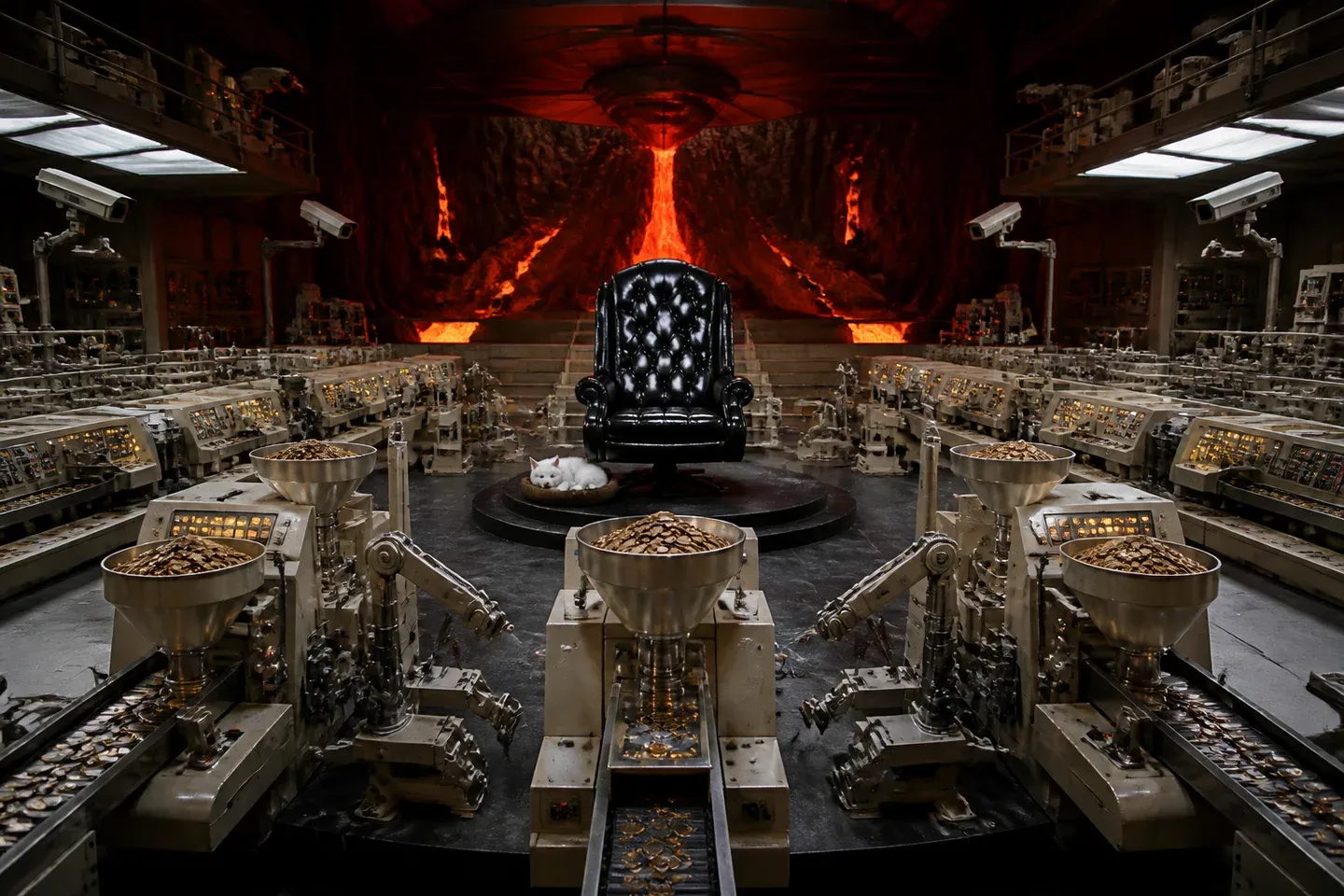
The supervillain was downsized; the quarterly target kept the volcano.
Platforms make money when people remain activated, whether they are delighted, furious, ashamed, vindicated, or typing “I’m done with this” for the ninth consecutive month.
Your Hobby Has Assigned You Homework
Live-service games provide the cleanest diagram.
A traditional game could end. You finished it, exhausted its secrets, and moved on with your life, perhaps even seeing another human being. A live service offers subscriptions, season passes, premium currencies, rotating shops, randomized rewards, expansions, and limited events. Servers and new content cost money; ongoing monetization is not automatically sinister.
The trouble begins when playing becomes secondary to retention.
-
Daily rewards make absence expensive.
-
Login streaks turn leisure into attendance.
-
Limited events manufacture urgency.
-
Premium currencies hide the real price and leave awkward balances behind.
-
Progress throttles create inconveniences the shop can graciously remove.
-
Randomized rewards monetize uncertainty.
-
Battle passes make you pay in advance for prizes you must earn before a deadline.
That last one deserves admiration for sheer nerve. You purchase an obligation, then feel guilty for not completing it. The game has sold you a second job whose salary is a digital jacket.
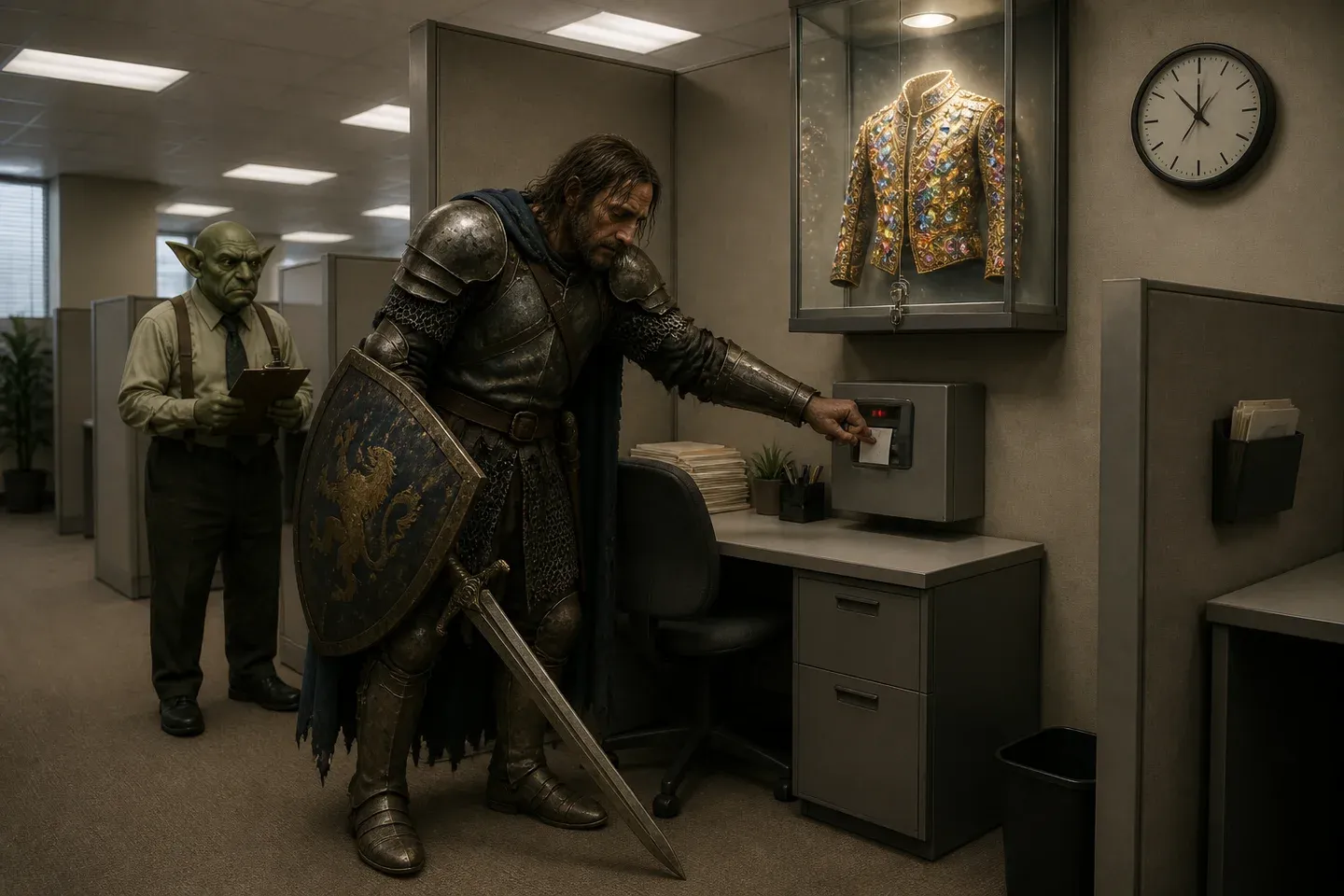
Congratulations on acquiring the premium unpaid internship.
The details vary—from rotating cosmetics and passes in Fortnite, to card packs in EA Sports’ Ultimate Team modes, to Diablo Immortal’s layered upgrades—but the objective is familiar: keep desire alive and closure standing outside in the rain.
And “it’s only cosmetic” misses the point. Cosmetics sell identity, novelty, status, and belonging because other players can see them. Players also populate servers, recruit friends, create competition, write guides, produce memes, and teach virtual objects what they mean.
The customer is also unpaid atmosphere.
Enjoyment can be genuine while the sales machinery remains manipulative. That is precisely why it works. Nobody needs to engineer a habit around an experience people hate from the first minute.
The sharper evidence concerns purchasing design, not vague claims that games are “addictive.” In 2022, the U.S. Federal Trade Commission reached a $520 million settlement with Epic Games: a $275 million penalty related to children’s privacy and $245 million for refunds tied to alleged dark patterns and unwanted charges. The complaint focused on counterintuitive interfaces, accidental purchases, and inadequate parental consent.
The issue was not whether people liked Fortnite. It was whether spending had been made easier than informed refusal.
Hate-Watching Is Still Watching, Regrettably
The same machine operates without dragons, card packs, or animated rifles.
A “lolcow” is someone an online community believes can be repeatedly “milked” for entertainment—usually because the person overshares, contradicts themselves, boasts wildly, or reacts predictably to criticism. The label performs an important moral laundering service: it converts a human being into a renewable content deposit.
Then the supply chain forms:
-
The subject posts or streams.
-
Antagonists provoke a reaction.
-
Viewers pay to insert messages through donations or text-to-speech.
-
Clip channels isolate the explosion.
-
Commentators recap it.
-
Forums archive every contradiction and prepare the next provocation.
-
Platforms and processors collect their cut without having to be screamed at personally.
To the metrics, fans and hate-watchers are twins. Both provide views, retention, searches, comments, and money. The emotional difference is meaningful to the viewer and largely irrelevant to the cash register.
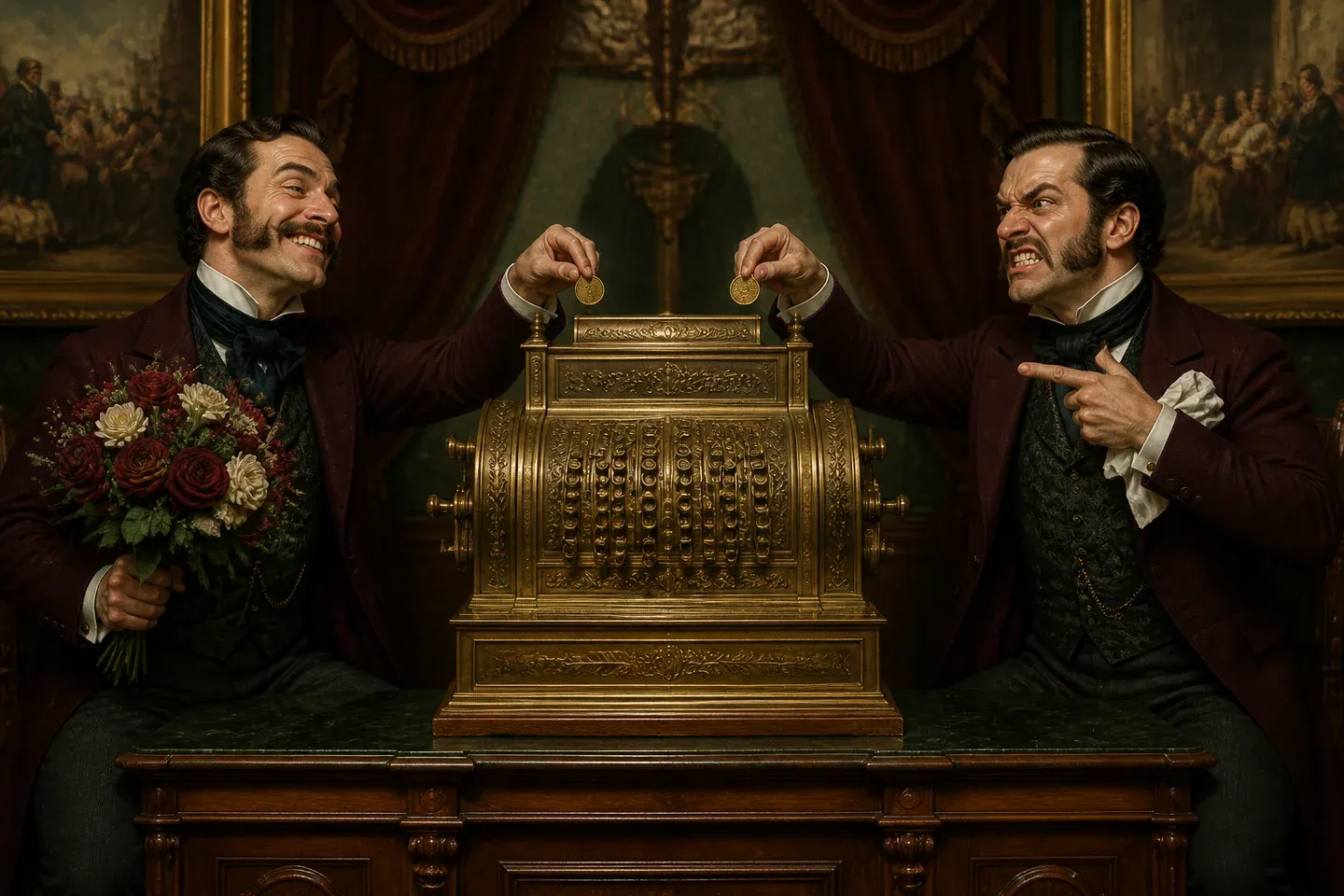
The register cannot hear your principled disgust.
What is being sold is antagonistic intimacy: the chance to force a disliked person to acknowledge you, or to watch failure arrive live rather than wait for the recap.
This creates a grim dependency. Creators denounce trolls while relying on their traffic. Trolls demand that creators disappear while producing daily archives that keep them visible. Everyone claims to want an ending. Almost everyone’s behavior finances another episode.
That does not erase moral distinctions. Parody is not doxxing. Criticism is not stalking, swatting, threats, or attacks on someone’s offline relationships. A creator can manipulate an audience and still be genuinely harassed. The “lolcow” label conveniently dissolves this complexity: silence proves guilt; defending yourself creates content; continued distress proves you deserved the attention.
It is a courtroom where every possible plea is entered as evidence for the prosecution—and then monetized.
Cancellation Comes With a Gift Shop
Political celebrity brands run on a similar loop.
When a mainstream career fades or collapses after scandal, the loss can be repackaged for another market. Rejection becomes persecution. Hostile coverage becomes proof of courage. A smaller audience may be less prestigious but more loyal—and much more willing to buy books, podcasts, merchandise, subscriptions, speaking tickets, memberships, or direct access.
This is reputational arbitrage: status depreciates in one market and is refinished for another.
After Roseanne Barr’s sitcom was canceled, she returned through conservative-media appearances and a Fox Nation comedy special. After Gina Carano was removed from The Mandalorian, The Daily Wire partnered with her. Kevin Sorbo has maintained a niche in faith- and conservative-oriented film, speaking, and social media.
Those careers prove opportunity, not secret insincerity. Beliefs can be genuine, opportunistic, or both. “Grift” is not a magic word that lets critics skip evidence; fraud requires specific deception. Better questions are visible and answerable:
-
When did the ideological repositioning happen?
-
Who became the media partner?
-
What is being sold?
-
How does controversy acquire and retain customers?
Intent may remain unknowable. The incentive does not.
Once grievance pays, moderation becomes a business risk. A fresh provocation creates criticism; criticism validates persecution; persecution drives another round of watching, buying, and donating. Eventually the performer is no longer merely cultivating an audience. The audience is training the performer.
The rebel now has brand guidelines.
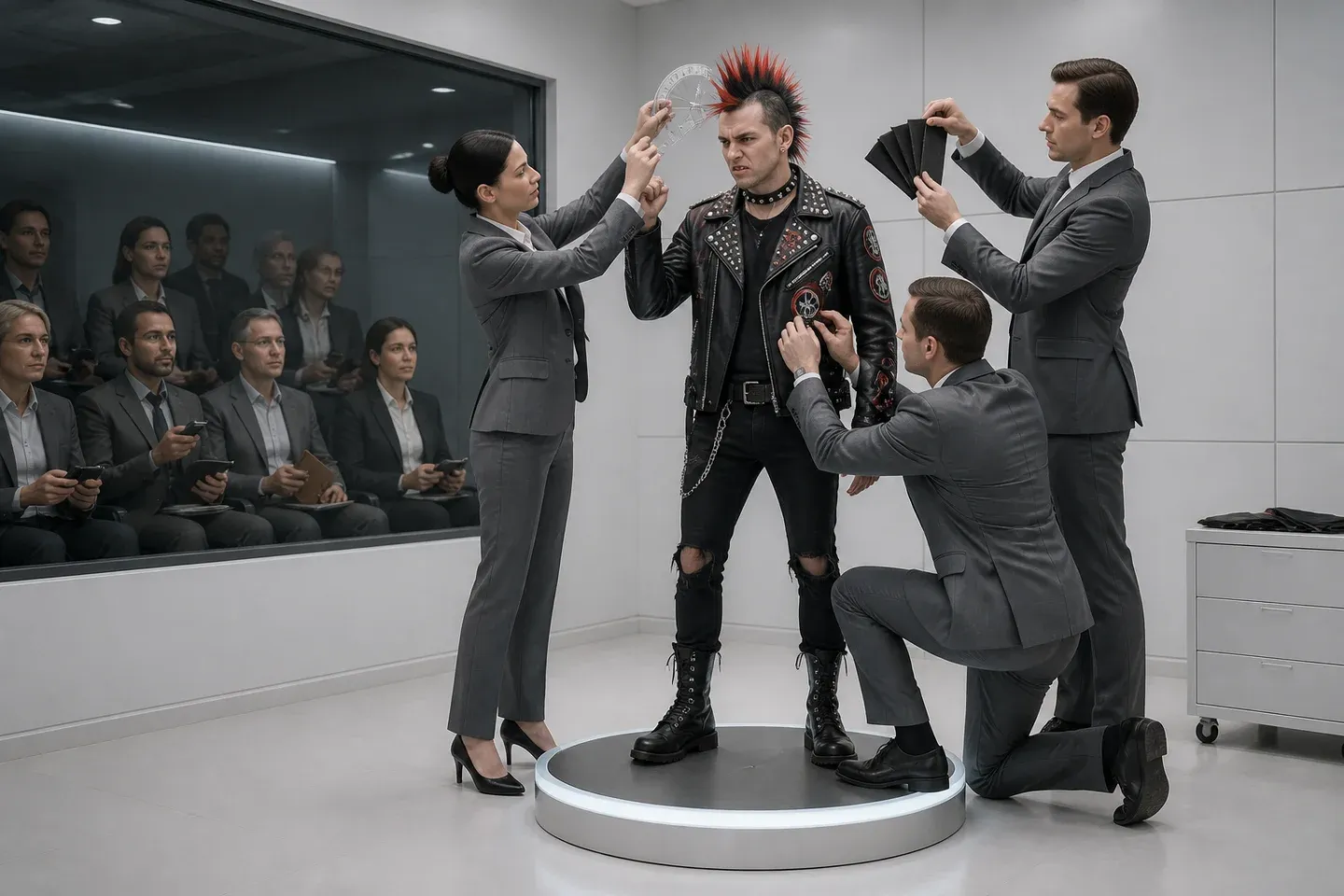
Please disrupt the system within approved colorways.
Every Machine Needs Tomorrow’s Emergency
Strip away the costumes and the models are nearly identical:
| Product | What keeps the loop open |
|---|---|
| Live-service game | Another season, reward, upgrade, or deadline |
| Humiliation spectacle | Another reaction, contradiction, or breakdown |
| Grievance brand | Another villain, betrayal, or crisis |
Resolution is commercially dangerous. A satisfied player may stop spending. A target who disengages produces no clips. A political audience without a fresh enemy might notice the merchandise is just merchandise.
These systems also blur customer and worker. Players populate worlds. Trolls script broadcasts. Supporters distribute clips and fundraising appeals. Even mockery extends reach.
Users provide the content, publicity, data, social meaning, and emotional electricity. The venue provides the button and takes a percentage.
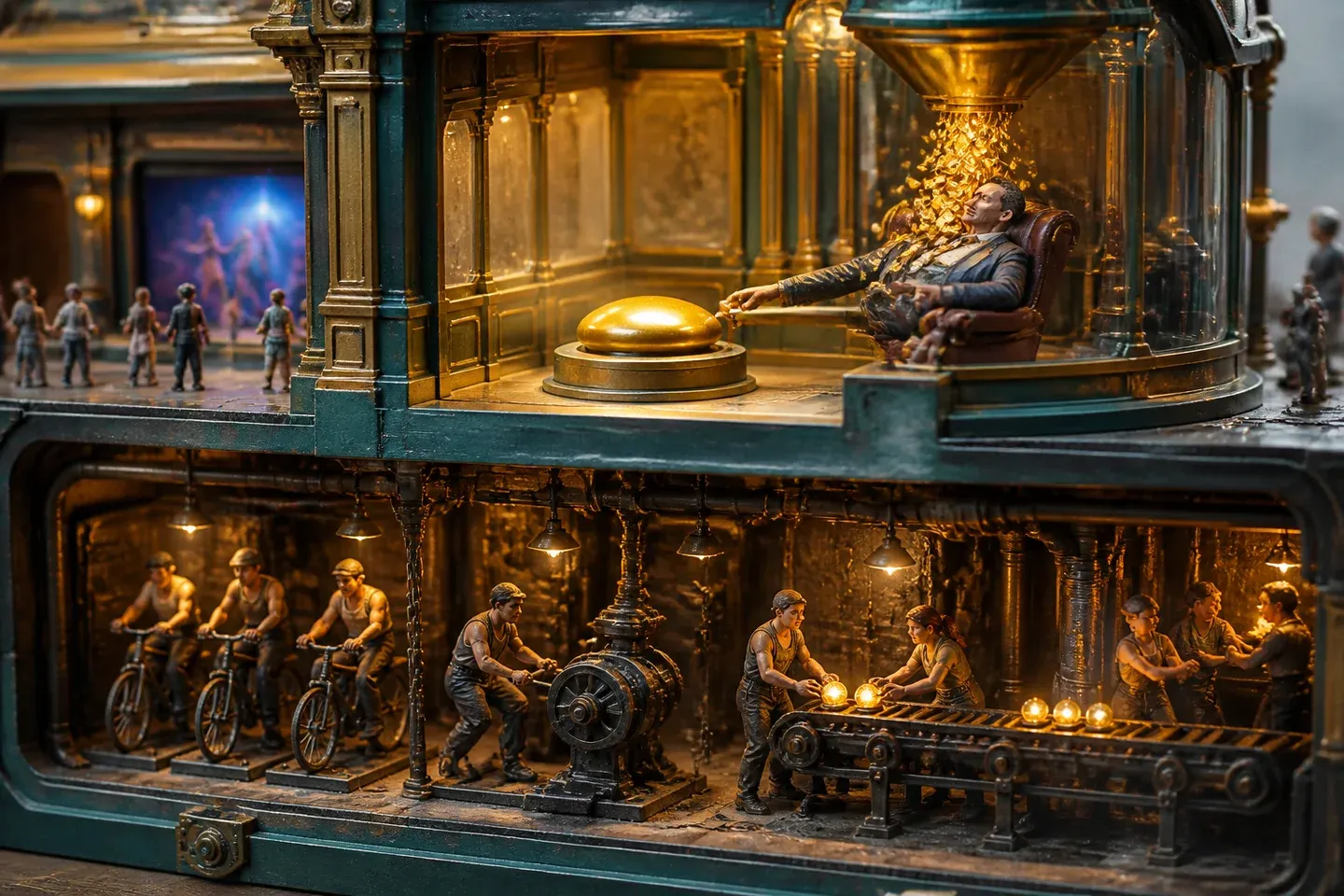
The venue owns one button and somehow gets promoted to landlord.
Put the Pause Back
Personal responsibility still exists. Audiences decide whether to pay. Creators choose tactics. Harassers remain responsible for harassment.
But responsibility is not equal power. The person facing a purchase button does not possess the behavioral data, interface testing, or recommendation machinery used to design it. “You clicked” is a thin moral defense when one side has spent years studying how to shorten the distance between impulse and payment.
The useful reforms are gloriously unsexy:
-
Show real-currency prices.
-
Offer spending histories, caps, cooling-off periods, parental controls, and straightforward refunds.
-
Make cancellation as easy as enrollment.
-
Disclose sponsorships, affiliate deals, fundraising terms, and platform contracts.
-
Let users choose chronological or otherwise user-controlled feeds.
-
Reduce rewards for brigading while protecting people from doxxing and swatting.
-
Investigate the revenue machinery behind controversies instead of distributing each provocation for free.
Individuals can disable impulsive payment tools, set budgets, and stop pretending hate-watching is resistance. But willpower alone is not a regulatory system. It is one tired person competing against institutions with more data and a financial interest in finding the exact moment that person gets lonely, angry, bored, or drunk.
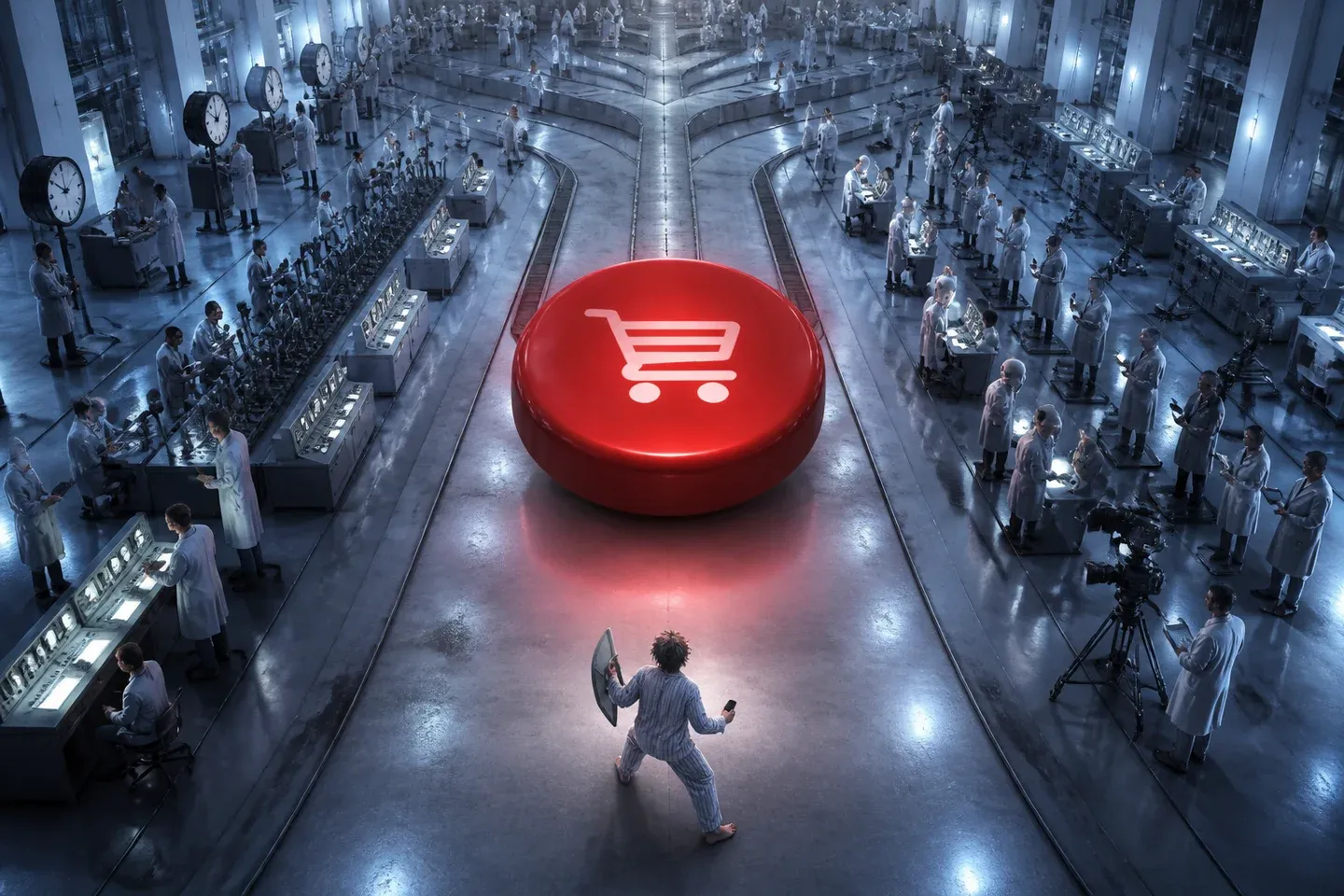
Just exercise self-control against the building that A/B-tested your Tuesday sadness.
A humane digital economy can still fund games, art, commentary, and communities. Emotional attachment is not a defect. Neither is earning a living from an audience.
The problem is the venue owning the tomato stall, pricing the ammunition, directing the spotlight toward the most throwable person, and selling advance tickets to tomorrow’s rematch.
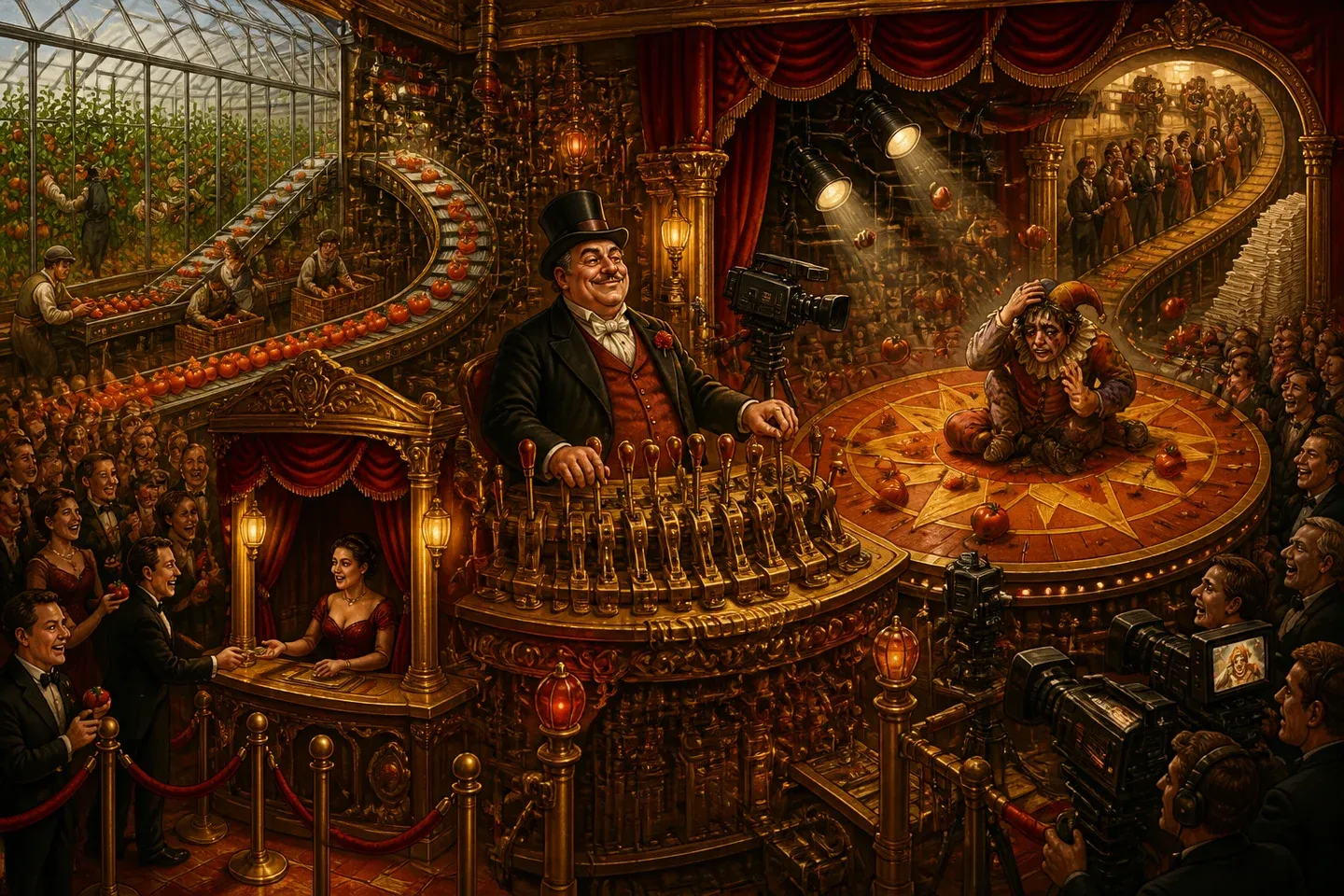
Vertically integrated cruelty really streamlines the customer journey.
If people cannot leave, recover, finish, or calm down without threatening the business model, the product was never merely entertainment. The product was the unfinished feeling.