Your Brokerage App Thinks Your Rent Anxiety Needs a 0DTE Option
The “lottery ticket” that requires a physics degree


At 3:47 on a weekday afternoon, a phone can turn into a tiny casino with better typography.
A stock twitches up. A same-day options contract bought for a few dollars flashes green, perhaps doubles. The app offers charts, alerts, trending tickers, and an order button so smooth it appears to have been lubricated with human impulse.
What it does not offer is a large blinking banner that says:
You are not just predicting “up” or “down.” You are trying to beat time, volatility, execution, and a market full of people with equipment that costs more than your apartment building.
Welcome to the age of 0DTE: zero-days-to-expiration options, contracts that expire the same day they are bought. Finance has taken one of its most complicated tools and handed it to the public in the behavioral packaging of live sports scores.
Not because ordinary people are stupid. Because ordinary people are tired, cash-poor, staring at housing costs, debt, insecure work, and a long-term economy that keeps informing them—politely, professionally—that they should have had more money earlier.
Options are not inherently nonsense. Institutions and experienced investors use them to hedge risk and manage exposure. A well-used option can be financial plumbing.
A 0DTE trade, though, is plumbing with a flamethrower attached.
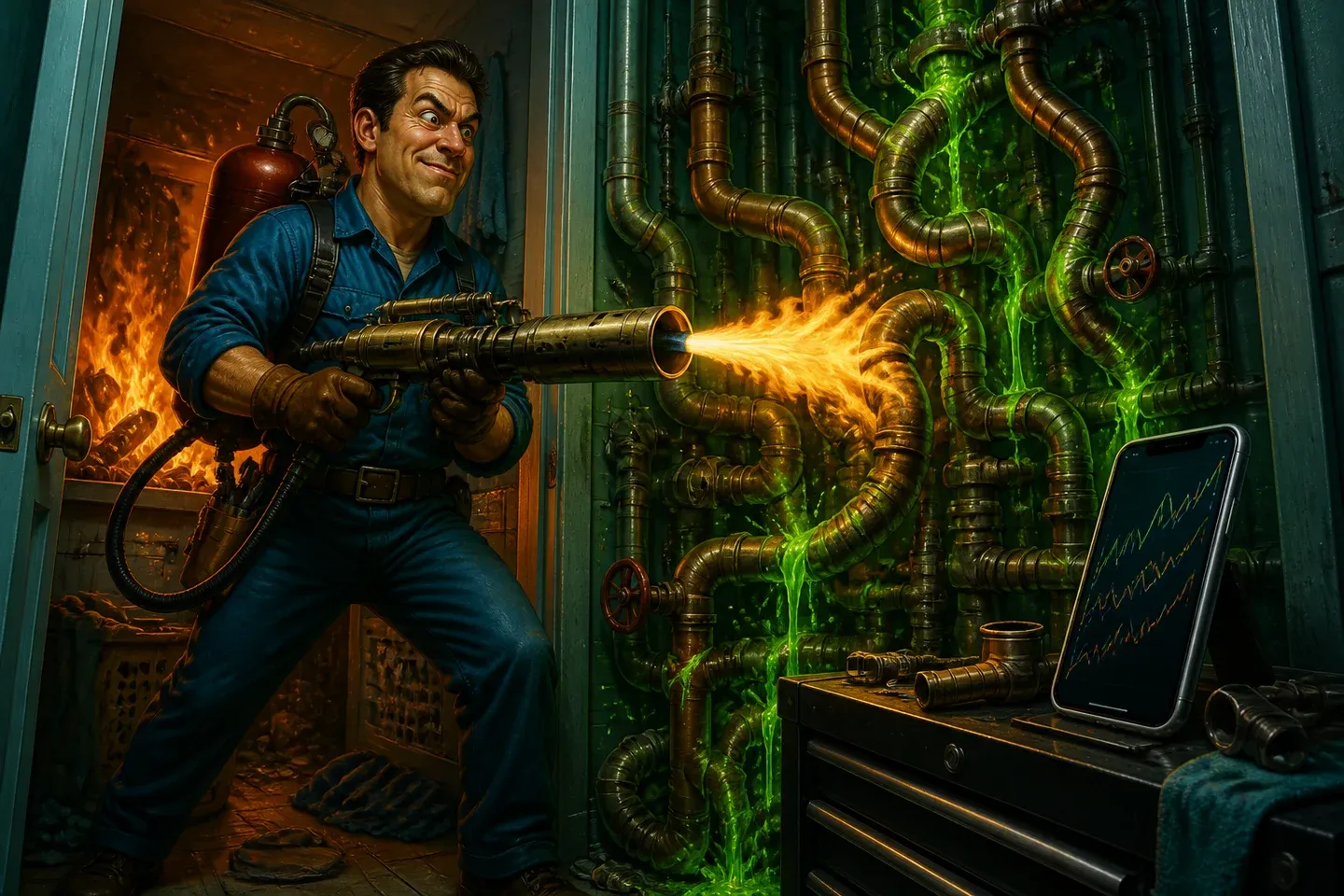
Finally, a home-repair metaphor with appropriate casualty estimates.
The buyer has to be right about:
-
Direction — does the stock or index go up or down?
-
Magnitude — does it move enough?
-
Timing — does it happen before the contract evaporates?
-
Volatility — was the expected drama already priced in?
-
Execution — did the spread quietly take another bite out of the trade?
This is why someone can correctly predict that a stock will rise after a Federal Reserve announcement, inflation report, or earnings release—and still lose money. If traders already expected a bigger move, or implied volatility falls afterward, congratulations: you guessed the headline and lost the bet.
Near the close, tiny moves in the underlying stock can produce wild swings in the option’s value. At 2 p.m., it looks like a windfall. By the bell, it can be nearly worthless.
And yet the cultural vocabulary is not “rapidly decaying leveraged derivative exposure.” It is:
-
“plays”
-
“daily income”
-
“lotto tickets”
-
challenges to turn a small account into a larger one before dinner
The economic calendar becomes a menu. CPI at 8:30. Fed at 2. Earnings after the close. Somewhere, somebody is treating macroeconomic data like the two-minute warning.
Robinhood didn’t invent gambling. It gave it push notifications.
Robinhood is not the only commission-free broker, and it did not invent speculation. It did become the mascot for finance redesigned in the visual grammar of social media: real-time motion, green gains, red losses, trending lists, watchlists, alerts, and a constant sense that something is happening and you should perhaps do something about it.
The old confetti animation celebrating a first trade got most of the attention. Confetti is easy to mock. Confetti is a tiny clown horn.
The deeper issue is that the whole environment makes repeated action feel normal. Not mandatory—just available, one market event at a time.
| What the app offers | What it can become |
|---|---|
| Real-time quotes | A reason to stare |
| Push alerts | A manufactured emergency |
| Trending tickers | Social proof in a trench coat |
| Easy options access | A chain of high-pressure decisions |
| “Commission-free” trades | The illusion that trading itself is free |
A recent win breeds confidence. A loss invites revenge. Screenshots of huge gains travel beautifully; screenshots of someone quietly vaporizing an account tend not to become inspirational content.
The app does not need to force anyone to trade. It only needs to ensure that acting is easier than pausing.

The pause button was installed behind a minor dungeon.
Massachusetts securities regulators alleged that Robinhood used gamification strategies to encourage continuous and repetitive use, an allegation the company challenged in court. In 2021, FINRA ordered Robinhood Financial to pay roughly $70 million in fines and restitution over issues including outages, misleading information, and failures involving options approval and controls.
That does not mean every person with an app is helpless or every trade is predatory. It means the question of where “accessible design” ends and “let’s keep this person clicking” begins is no longer a philosophy seminar.
“Commission-free” is not the same as cost-free, obviously
The removal of visible trading commissions was genuinely useful. Fractional shares and low-cost index funds let people buy pieces of productive assets without first proving they own a yacht.
That matters.
But commission-free trading also performed a magic trick: it moved the question from What does this trade cost me? to Who else is making money because I keep trading?
Brokers can earn from:
-
interest on customers’ cash balances
-
margin borrowing
-
subscriptions
-
securities lending
-
payment for order flow
Options orders have historically generated more payment-for-order-flow revenue than stock orders. Under that system, wholesalers pay brokers to route eligible customer orders to them for execution. It is legal and regulated; brokers still have best-execution obligations, and price improvement can be real.
But the conflict is not imaginary just because it has paperwork.
The customer wants the best execution. The broker has reason to care what different venues will pay for the order. And an account holder who sees no explicit fee per trade may trade much more often—which is not a side effect if the business benefits from active accounts.
Nobody needs to be twirling a mustache in a market-maker lair. This is not a conspiracy. It is worse, in the duller and more durable way: a stack of institutions all rewarded when attention becomes turnover.
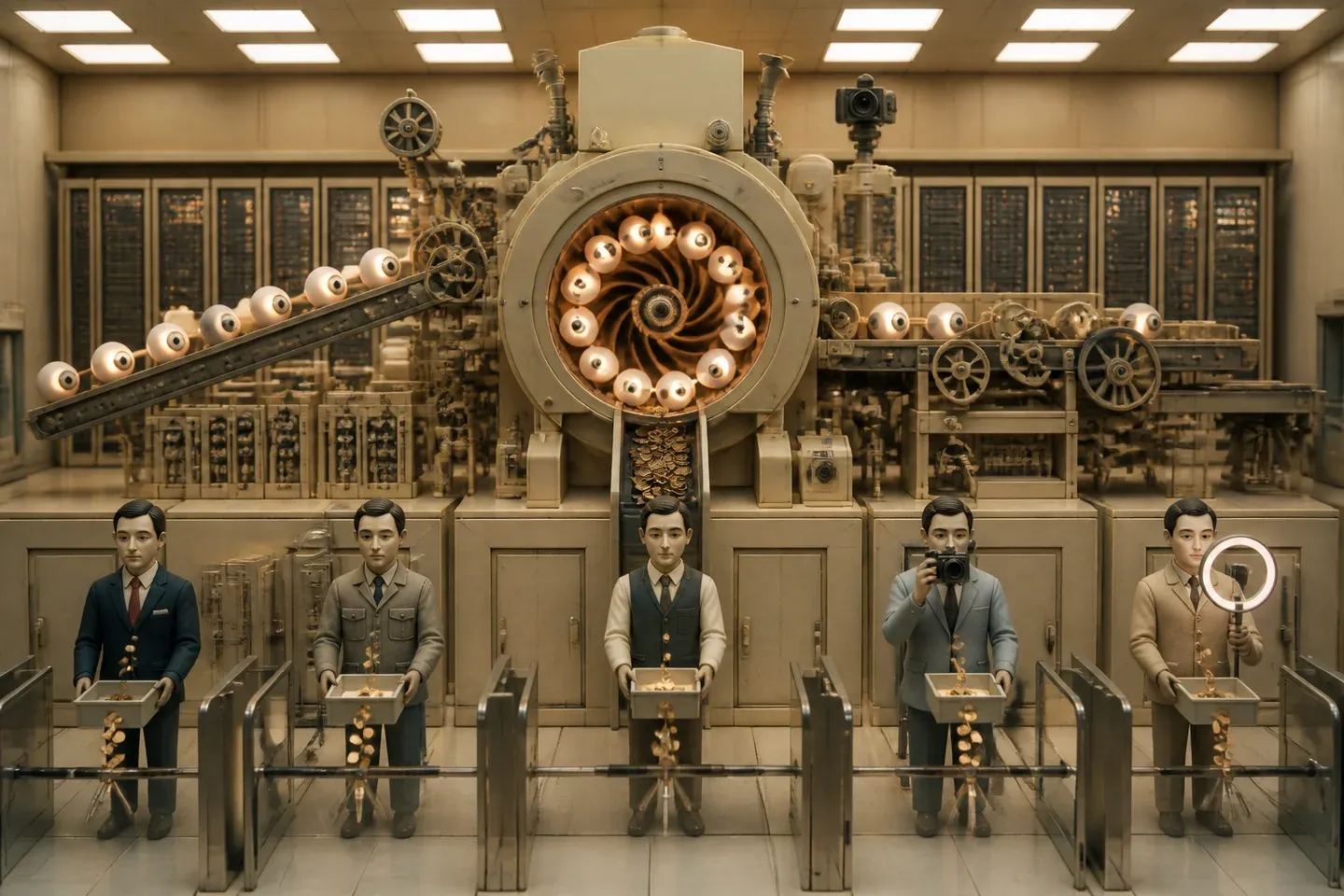
Nobody planned the mousetrap. Everybody stocks replacement springs.
-
Brokers benefit from activity.
-
Exchanges benefit from volume, data, and access.
-
Market makers compete for retail order flow.
-
More expiration dates mean more tradable occasions.
-
Financial media and influencers benefit from attention.
-
The customer gets a chance to turn rent anxiety into a chart-reading hobby.
Everyone can honestly say they are providing access, liquidity, information, or choice.
Put them together, and the system becomes a very efficient machine for turning ordinary uncertainty into recurring financial activity.
The GameStop lesson was not “the little guy won”
The pandemic trading boom gave retail speculation a heroic costume: lockdowns, stimulus payments, low rates, online communities, and a rapidly rebounding market. GameStop’s 2021 surge briefly looked like regular people storming Wall Street with memes.
Then extreme volatility increased clearinghouse collateral demands, and brokers including Robinhood restricted certain trades.
The backlash was understandable. But the episode revealed the actual arrangement: supposedly frictionless participation still depends on infrastructure individual traders do not own, control, or get invited to explain.
The “democratized” casino remains subject to the casino’s plumbing.

Access to the roulette wheel includes no access to the basement.
People are not chasing miracles because index funds are boring
A diversified index fund is usually the sensible long game. It offers broad ownership, compounding, dividends, and the profoundly uncinematic experience of getting gradually less screwed over by inflation.
But a small account grows slowly. Initially, almost invisibly.
Meanwhile housing costs, student debt, shaky work, uneven wages, and soaring asset prices have helped create a nasty cultural fact: prosperity can look less like something you build than something you missed by failing to buy the right thing early enough.
So a viral options screenshot supplies a seductive alternative story:
Perhaps intelligence, nerve, and timing can replace capital.
That story is emotionally understandable. It is also exactly the kind of story a high-turnover market loves to sell.
Calling everyone who falls for it a reckless gambler lets the larger economy off the hook. Calling it “empowerment” lets the industry off the hook. Both are convenient lies.
Ownership is not the same thing as exposure
The real choice is not between locking ordinary people out of financial markets and handing them every volatile instrument with a cheerful tutorial.
It is between expanding ownership and expanding exposure.
A better system would make diversified funds, recurring investments, and cash accounts the natural starting point—not just another tile beside increasingly urgent bets. Complex products could come with graduated permissions, stronger suitability reviews, clear displays of maximum loss and time decay, cooling-off periods, and interventions after repeated losses.
Financial literacy helps, but it has limits. Knowing what theta decay means does not provide more spare cash, more time, better tools, or a bigger capacity to absorb loss. A disclosure clicked through while a contract is moving like a ferret in a blender is not meaningful consent.
And no app redesign will solve the reason these bets feel necessary to people in the first place. If rent, debt, retirement, and medical bills leave millions feeling that patience is a luxury product, the demand for miraculous returns will keep arriving right on schedule.
A phone can make ownership and desperation look equally democratic.
One gives people a stake in the future.
The other gives them a brief, brightly colored chance to escape the present—until the bell rings.
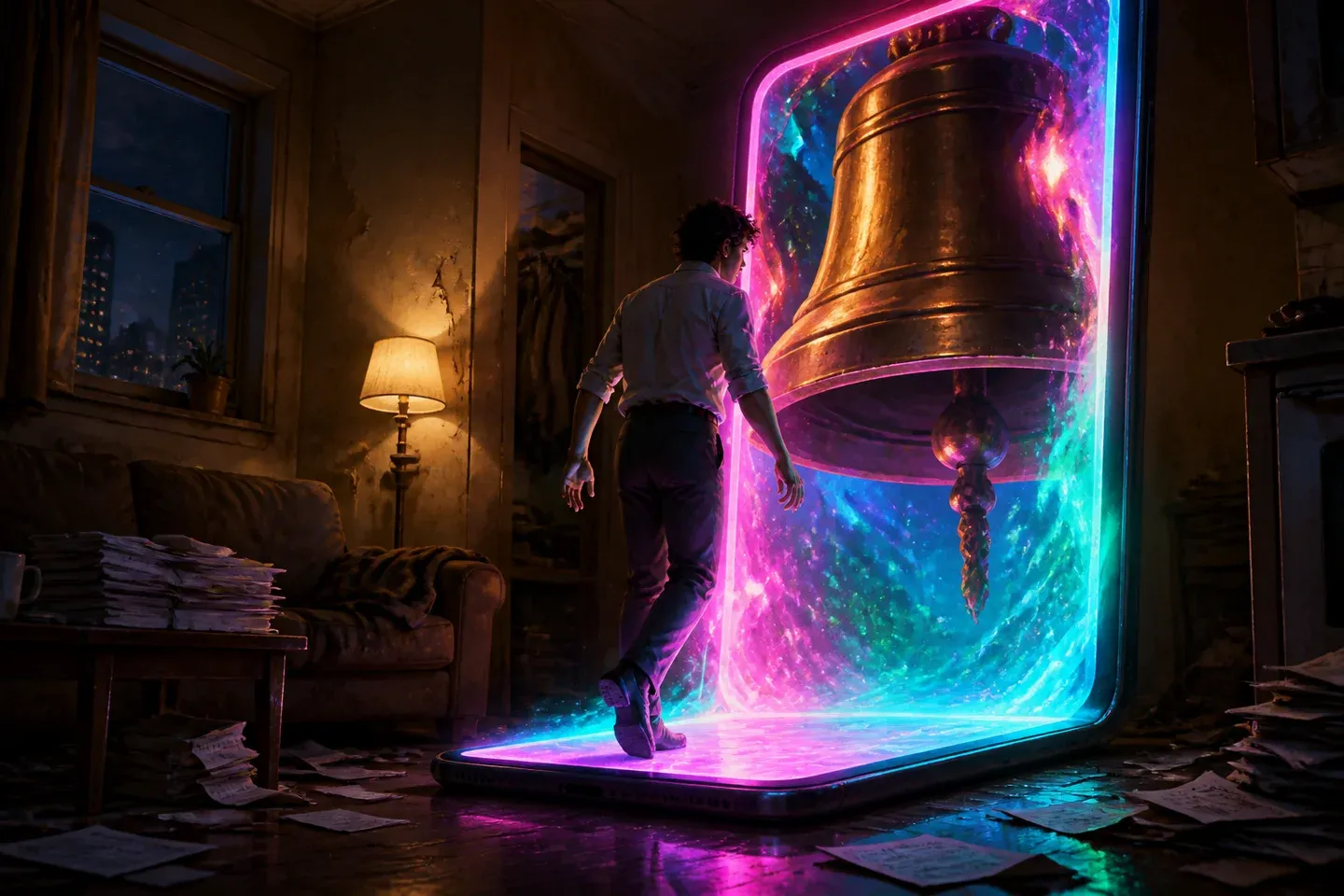
Cinderella, but the pumpkin has an options chain.