Disaster Has Entered Its Trading Era, and Apparently the Chart Is Bullish
The Useful Idea Hiding Inside the Ghoul Parade


A hurricane gathers strength. A government teeters. A death toll climbs through the number where a contract pays out.
On a prediction-market screen, this is all translated into the soothing language of a checkout button: 62 cents means a 62 percent implied chance. Yes or No. Buy, sell, refresh. The dead, displaced, terrified, and politically trapped have been removed from the interface because they clutter the user experience.
This is the miracle of financial abstraction: a catastrophe can become a tiny colored line that goes up when someone else’s life goes badly.
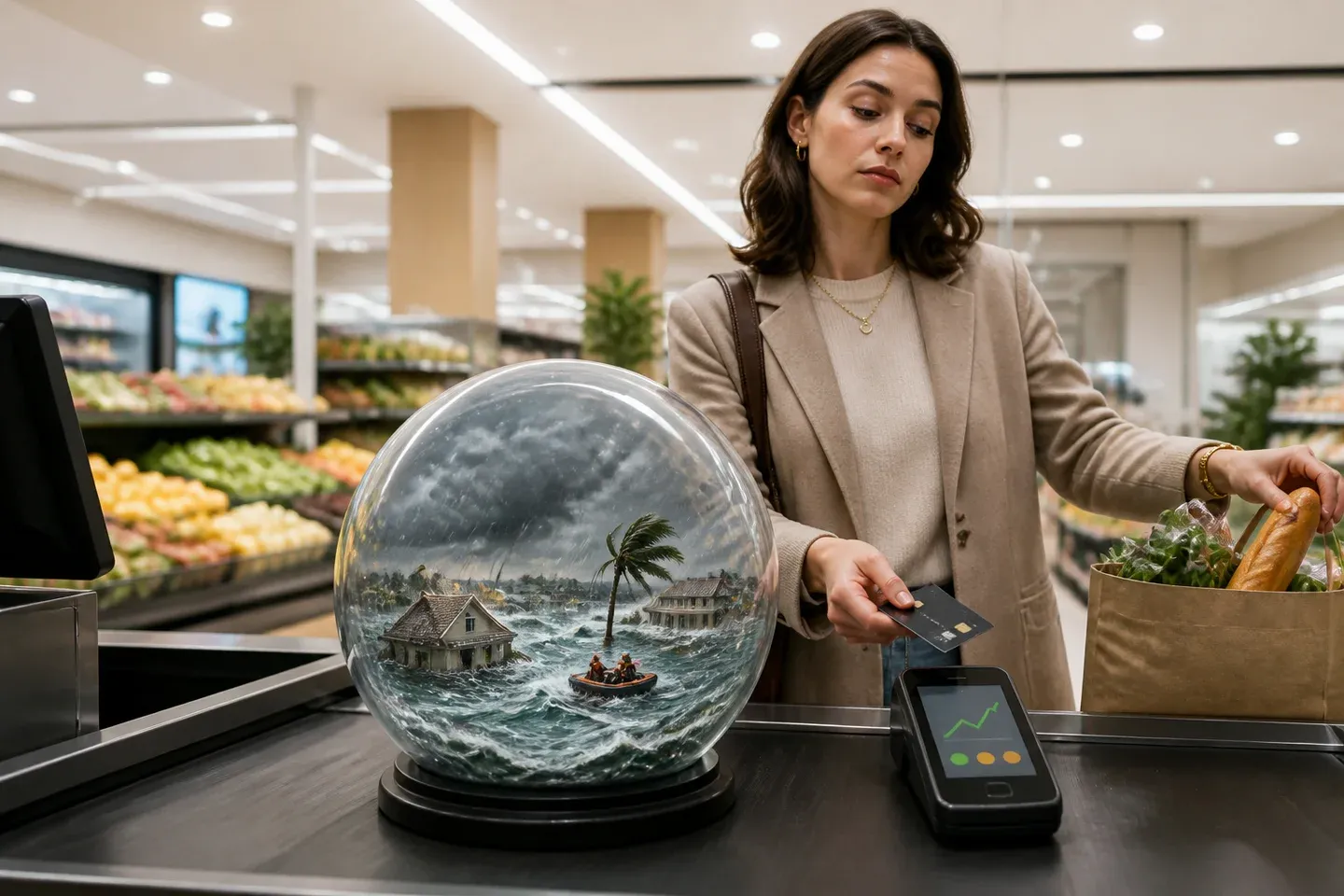
Add to cart, subtract from civilization.
Prediction markets are not inherently stupid. The basic theory is respectable: people who think an event is likely buy “Yes”; people who disagree buy “No.” Since a contract pays a fixed amount if the thing happens and zero if it doesn’t, its price can resemble a probability.
The Hayek-flavored dream is that markets gather scattered knowledge better than pundits, polls, or officials performing their usual ritual of saying, “We are monitoring the situation,” while the situation eats the roof.
A fast-moving price could, in theory, help:
-
a hospital prepare for an outbreak,
-
an aid agency move supplies before violence spreads,
-
a town take a storm threat seriously,
-
a farmer or homeowner hedge against a loss that might wreck them.
Forecasting danger can be an act of care. No objection there.
The trouble starts when we decide that the best way to get useful forecasts is to let strangers turn a crisis into a side hustle.
Insurance Is Ugly, Too. But At Least It Knows Whose House Is Flooded.
There is a difference between hedging and gawking with a brokerage account.
Insurance, catastrophe bonds, and other financial contraptions have plenty of their own sins: exclusions, unequal protection, the longstanding corporate innovation of discovering that someone’s worst day is an actuarial opportunity. But they are generally tied to actual exposure. A homeowner, municipality, insurer, or company is shifting risk or raising money to absorb a loss.
A retail contract on whether other people will suffer enough offers no such dignity.
| The sales pitch | The plainer translation |
|---|---|
| “Democratized forecasting” | Everybody can now place a tiny bet on somebody else’s emergency |
| “Skin in the game” | Money, which is not the same thing as knowledge or conscience |
| “Public-good information” | A chart, possibly based on reporting everyone could already read |
| “Market efficiency” | The platform collects fees while the public learns to refresh during disasters |
It democratizes the wager much more readily than it democratizes protection. That is not a bug hidden in the fine print. It is the product.
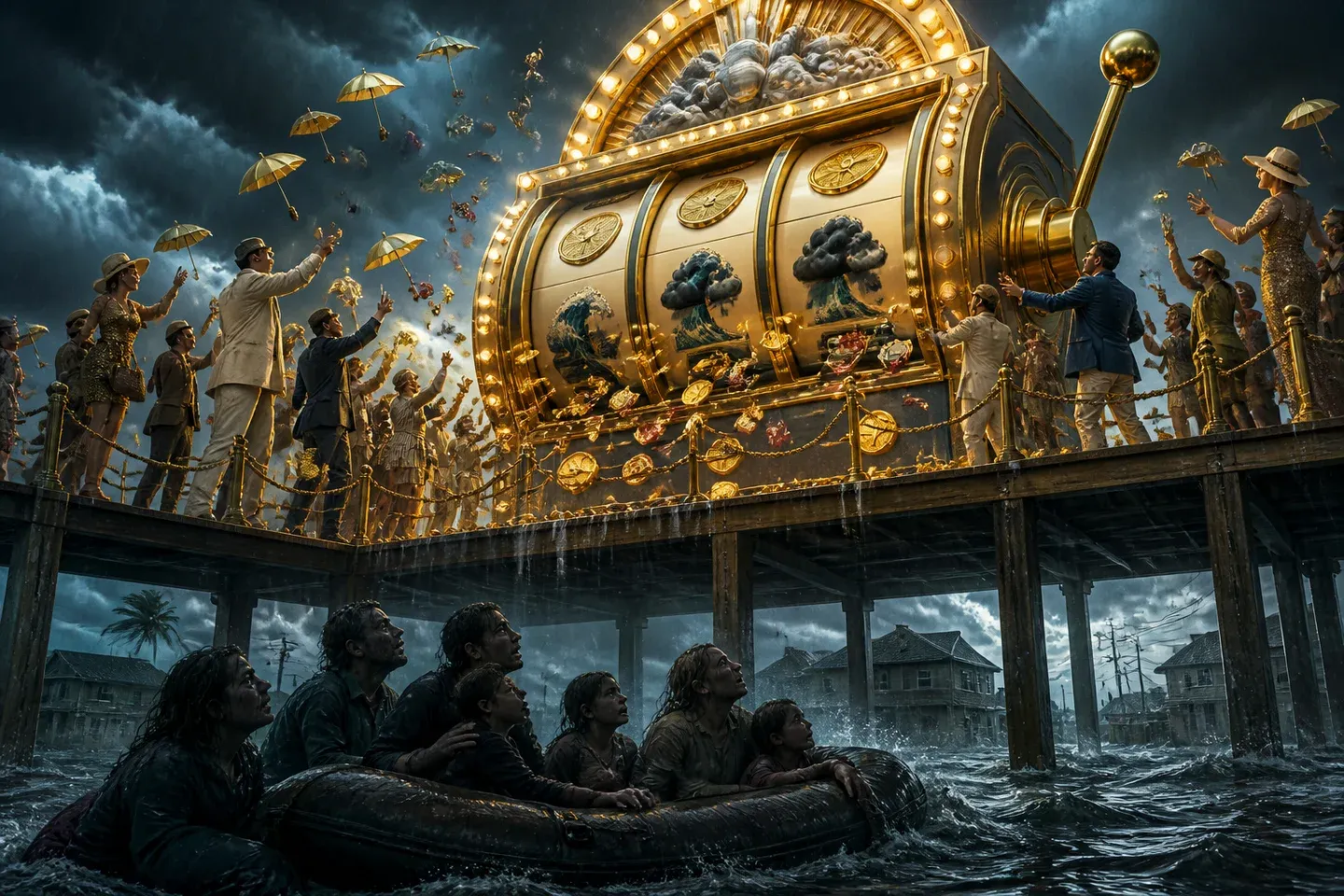
At last, disaster relief without all the tedious relief.
A Death Toll Is Not a Price Signal. It Is a Counting Problem With Widows in It.
Markets like clean, binary questions. Reality behaves more like a drunk raccoon in a filing cabinet.
What is a government collapse? A coup announcement? A leader fleeing? A parliamentary vote? Loss of territorial control? International recognition of a successor?
When is a ceasefire real? Which casualty count controls? Is the official tally final, provisional, politically curated, revised three weeks later?
Every event contract needs settlement rules: dates, sources, definitions, dispute procedures, revision policies. Those rules determine what the market is actually measuring. A contract nominally about a war or humanitarian disaster may really be a bet on whether a particular institution publishes a particular number by a particular deadline.
That is not omniscience. It is a very expensive argument about paperwork.
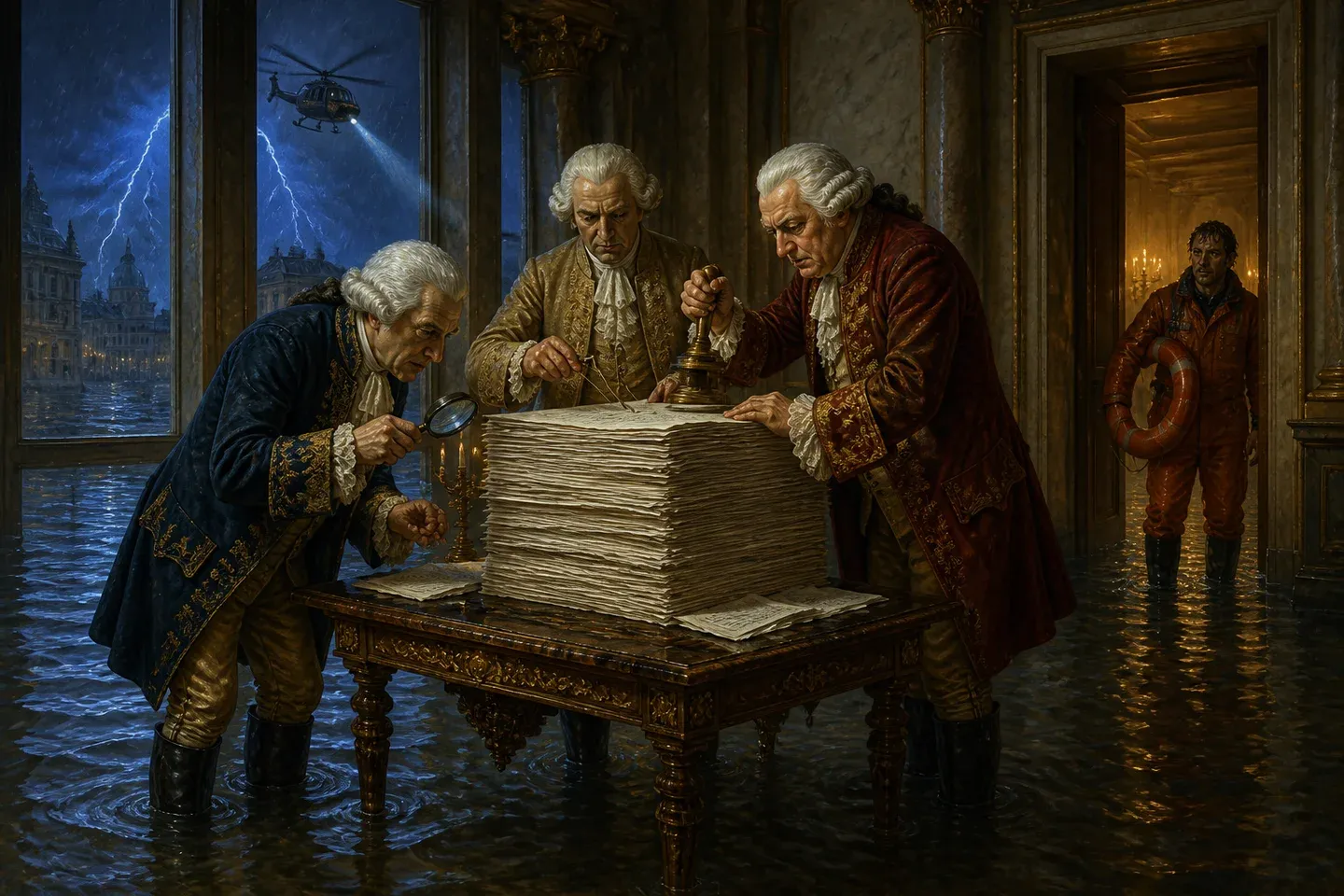
The flood was real. The definition was still pending.
And during a crisis, uncertain reports produce volatility: early casualty figures, satellite images, rumors, evacuation notices, anonymous posts, official statements that may be incomplete or strategic. Volatility means traders can trade. It also means screenshots can circulate, followings can grow, new users can arrive, and platforms can collect fees.
The system does not need participants to actively desire a flood or a massacre. It merely gives them a reason to notice the number that makes their position pay.
That alone changes the moral weather.
“Skin in the Game” Is Not a Halo
A market price is not truth wearing a little suit.
It is a number generated by traders with unequal money, access, motives, and information. A big bet might reflect valuable knowledge. It might also reflect ideology, a wealthy person’s willingness to lose money, or an effort to nudge public perception. The price does not arrive from a mountain carrying stone tablets. It arrives from whoever was willing and able to click.
Meanwhile, the people living through the flood, epidemic, or conflict may have the most useful firsthand knowledge—and no bank account, legal access, spare cash, or desire to trade on their own misfortune.
Their experience becomes the raw material. Someone else’s capital gets to monetize its interpretation.
That imbalance is especially ugly because these markets borrow the prestige of expertise without having to supply the boring evidence. If a contract jumps from 42 cents to 61, the question is not whether the chart looks exciting. The question is:
-
Who acts on it?
-
What warning did they receive that public reporting did not already provide?
-
What decision changes?
-
What harm is prevented?
If nobody can answer, the market may be a dashboard. Fine. Plenty of dashboards exist. But a dashboard is not a public service merely because it has a payout button.
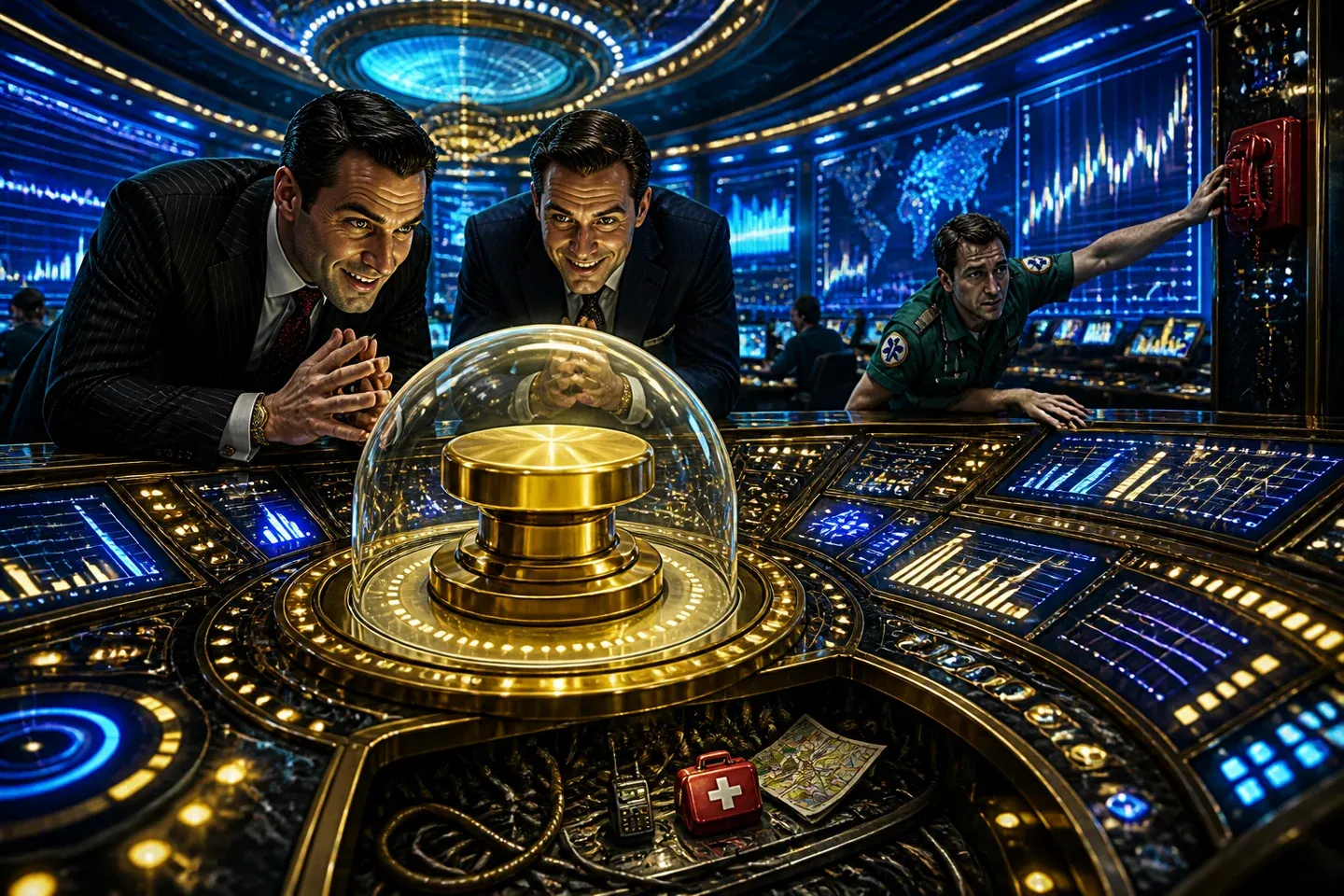
Nothing says civic infrastructure like a coin slot.
The Old Version of This Bad Idea Was Cancelled for a Reason
In 2003, the Defense Advanced Research Projects Agency proposed the Policy Analysis Market, intended to forecast geopolitical instability. Contracts tied to coups, violence, and possible political assassinations triggered immediate condemnation. The project was cancelled.
That was not society panicking at the sight of a forecast. We forecast grim things constantly. It was a recognition that some events may be predictable without being appropriate objects for open speculation.
Today, the legal scenery is messier. Some event-contract markets operate under Commodity Futures Trading Commission oversight; offshore and crypto-based platforms travel different roads. Kalshi, though CFTC-regulated, has faced disputes over political-event contracts. Polymarket settled CFTC allegations in 2022 concerning unregistered off-exchange event-based binary options.
Those distinctions matter for consumer protection and market integrity. But legality is a very low bar for moral seriousness. “Permitted under a particular regulatory arrangement” is not the same as “a thing we should turn into a retail game.”
If It’s Really About Preparedness, Stop Designing It Like a Casino
A blanket ban is not a magic wand. Trading can move to less accountable venues; restrictions can entrench existing financial institutions; and it is not always easy to distinguish explicit disaster bets from other contracts that profit from disruption.
But the test should be harder than: Can we write settlement terms and find people willing to trade it?
For sensitive contracts, ask:
-
Is there a genuine hedging use for people actually exposed to the risk?
-
Does the forecast produce actionable warning unavailable through public data, expert analysis, or reporting?
-
Can traders influence the event—or poison the information environment around it?
-
Are the settlement rules clear enough to survive contact with reality?
-
Why is this being promoted with rankings, referrals, push alerts, and celebratory returns?
That last question does a lot of work. A serious planning instrument does not need to behave like a mobile game that has discovered mass casualty reporting.
Some categories deserve severe limits, if not prohibition: individual deaths and health outcomes, assassinations, violent acts, humanitarian casualty thresholds, and events where traders can directly affect the outcome. The principle is simple enough: the more a contract rewards severe suffering, distorted information, or pure attention farming, the weaker the case for broad retail access.
The Public We’re Building, One Refresh at a Time
The defense of catastrophe markets is that they help us know what is coming.
Maybe. Sometimes.
But knowing is not the same as wagering. Journalism, research, emergency planning, insurance, advocacy, and gambling can all concern the same event while encouraging radically different behavior. One asks, What do people need? Another asks, What settles?
That is the quiet rot inside the clean interface. It trains spectators to stand outside a crisis, watching fear become movement on a chart, waiting for somebody else’s terrible day to resolve their ticket.
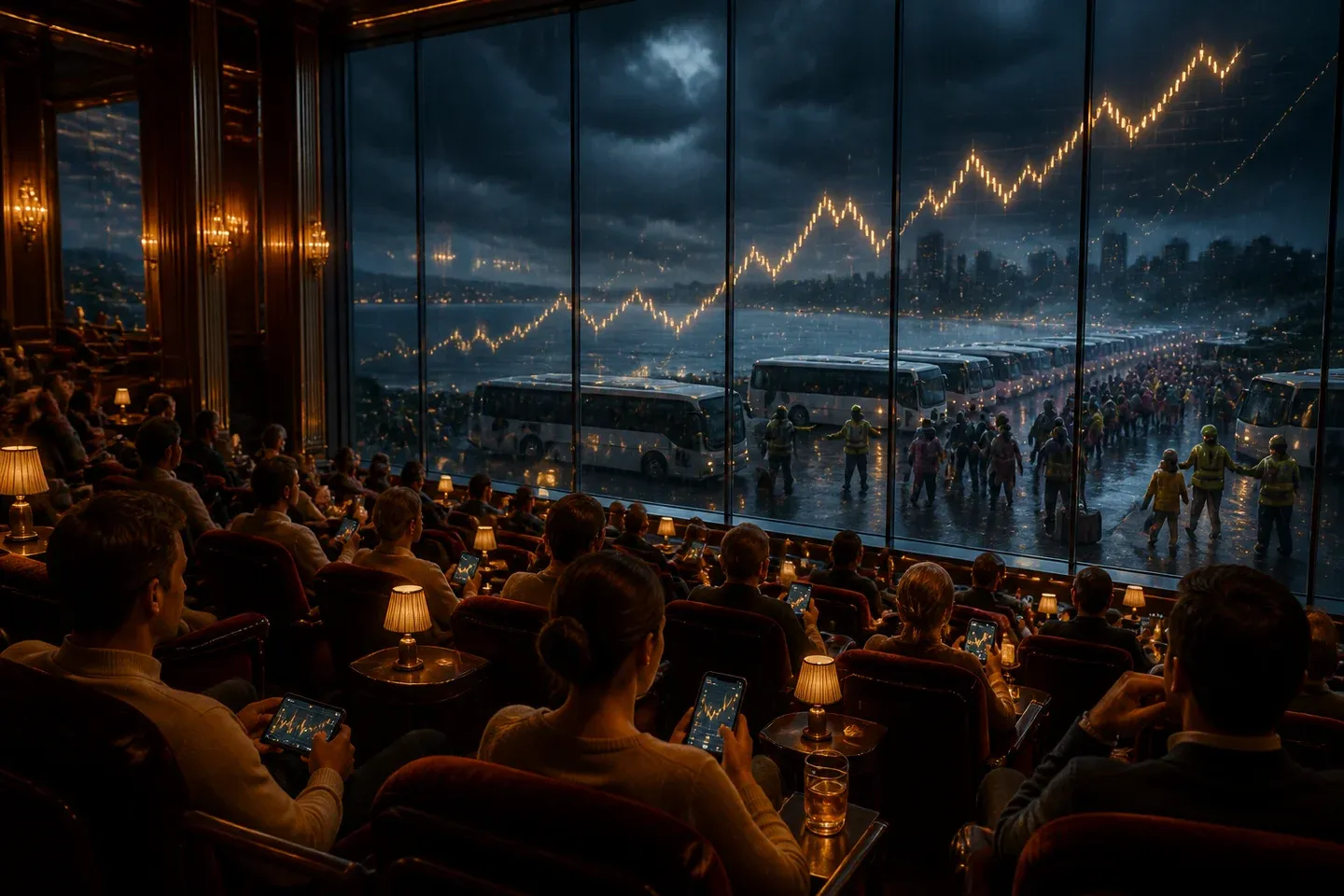
The balcony had excellent views of everybody else’s emergency.
A forecast can help a town evacuate. It can help a hospital protect patients. It can move food and medicine before violence spreads.
Or it can turn disaster into content with a price.
Those are not the same civic activity, no matter how elegant the graph looks.